
BALANCED DIET AND NUTRITION
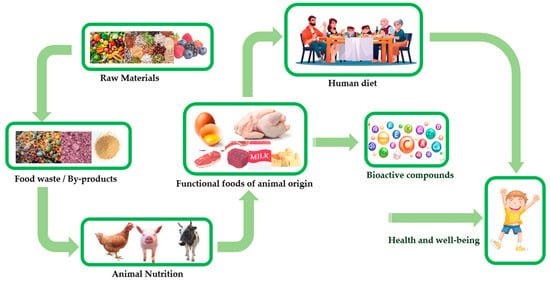
A balanced diet is a diet that provides all the essential nutrients your body needs in the right amounts to stay healthy, grow properly, and have enough energy for daily activities.
It includes different types of foods in the correct proportions so your body gets carbohydrates, proteins, fats, vitamins, minerals, fiber, and water.
 Components of a Balanced Diet
1. Carbohydrates
Main source of energy for the body.
Found in: rice, wheat, bread, potatoes, fruits.
Should make up about 50–60% of your diet.
2. Proteins
Help in growth, repair of tissues, and building muscles.
Found in: pulses, beans, milk, eggs, fish, chicken, soybeans.
3. Fats
Provide energy and help absorb vitamins.
Found in: nuts, seeds, butter, ghee, oils.
Should be taken in small amounts.
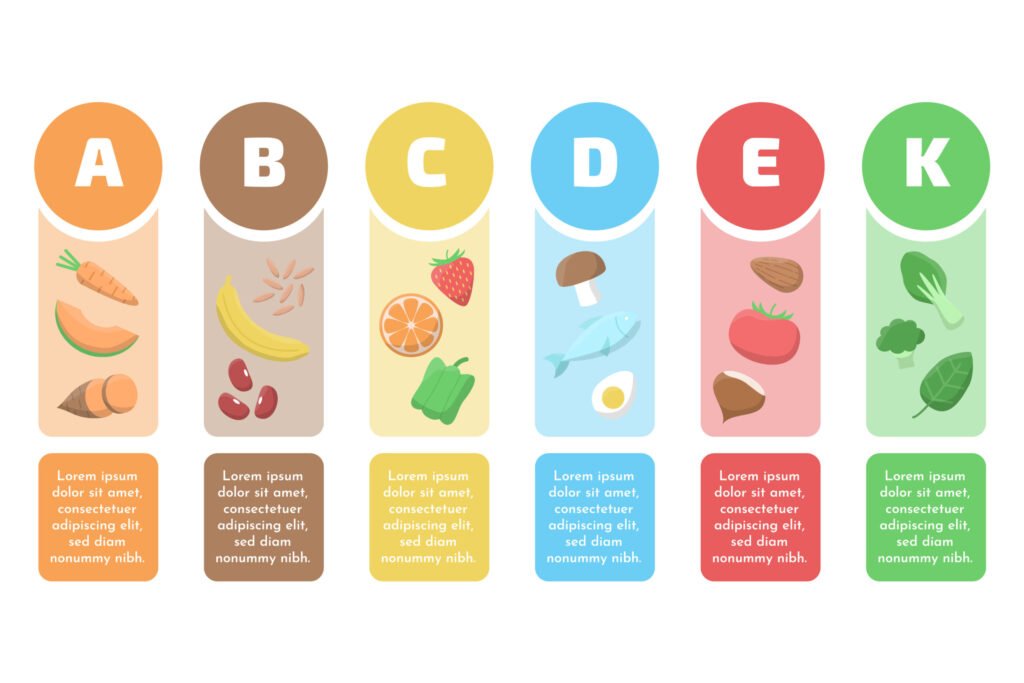
4. Vitamins
Protect the body from diseases and keep organs working properly.
Found in: fruits and vegetables.
Vitamin A – carrots
Vitamin C – oranges
Vitamin D – sunlight, milk
5. Minerals
Important for strong bones, teeth, and blood.
Examples:
Calcium – milk
Iron – spinach
Iodine – iodized salt
6. Fiber (Roughage)
Helps in digestion and prevents constipation.
Found in: whole grains, fruits, vegetables.
7. Water
Essential for digestion, circulation, and temperature control.
Drink 6–8 glasses daily.
CONTROL A HEALTHY WEIGHT
Healthy Weight – Explanation
A healthy weight is a body weight that is appropriate for a person’s height, age, sex, and body composition, and that helps reduce the risk of diseases. It supports good physical health, energy levels, and overall well-being.
It is not about being very thin or very muscular — it is about maintaining a weight that allows your body to function properly.
How Is Healthy Weight Measured?
The most common method is the Body Mass Index (BMI).
BMI is calculated using height and weight:
BMI = Weight (kg) ÷ Height (m²)
BMI Categories:
Below 18.5 → Underweight
18.5 – 24.9 → Healthy (Normal weight)
25 – 29.9 → Overweight
30 and above → Obese
However, BMI does not measure body fat directly, so athletes or muscular people may have a higher BMI but still be healthy.
Why Is Healthy Weight Important?
Maintaining a healthy weight helps:
Reduce risk of heart disease
Lower chances of type 2 diabetes
Maintain healthy blood pressure
Improve mobility and energy
Support mental well-being
Signs of a Healthy Weight
A person with a healthy weight often:
Feels energetic
Has normal medical test results
Can perform daily activities comfortably
Has balanced eating and exercise habits

THE PITFALLS OF DIETING
Dieting can help with weight loss, but many people face problems when diets are too strict, unrealistic, or not balanced. Below are common pitfalls of dieting with examples.
1. Crash Dieting
Problem: Eating very few calories to lose weight quickly.
Example:
Someone eats only 800–1,000 calories per day to lose 5 kg in a month.
Why it’s harmful:
Slows metabolism
Causes weakness and fatigue
Leads to muscle loss
Weight often comes back quickly (yo-yo effect)
2. Skipping Meals
Problem: Avoiding meals to reduce calorie intake.
Example:
Skipping breakfast every day to “save calories.”
Why it’s harmful:
Causes overeating later
Low blood sugar
Poor concentration
Slower metabolism
3. Cutting Out Entire Food Groups
Problem: Completely avoiding carbohydrates or fats without medical reason.
Example:
Eliminating all rice, bread, and fruits because they contain carbs.
Why it’s harmful:
Nutrient deficiencies
Low energy levels
Poor digestion
Your body needs balanced nutrients.
4. Following Fad Diets
These are trendy diets that promise fast results but lack scientific support.
Examples include:
Keto Diet (extreme carb restriction)
Juice Cleanse (only fruit/vegetable juices)
GM Diet
Why they’re risky:
Hard to maintain long-term
May cause dehydration
Can lead to nutritional imbalance

Leave a Reply