Author: admin

  • TOP 10 DIGITAL MARKETING INSTITUTE IN FARIDABAD

    HOME |  ABOUT US  |  DIGITAL CAREER PROGRAM  |  COURSES
    AI

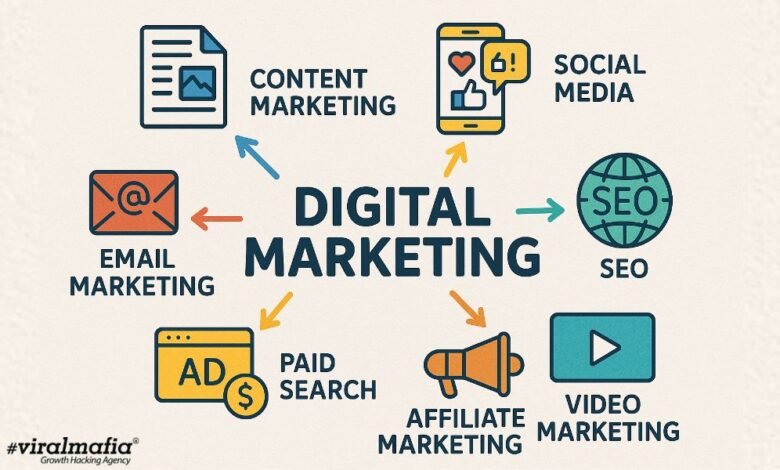
    WHAT IS THE DIGITAL MARKETING

    Digital marketing is the promotion of products, services, or brands using digital channels such as search engines, websites, social media, email, and mobile apps. It helps businesses reach their target audience online, where people spend much of their time.

    IN FARIDABAD TOP TAN DIGITAL MARKETING INSTIUTES

    *  Vidya Sarthi Faridabad: Digital Marketing Course in Faridabad

    *  Best Digital Marketing Course in Faridabad 2026

    *  Gourav Digital Club – Marketing
     
    *  Focus Institute of Digital marketing

    *  Best Marketing Training Institute in Faridabad

    *  Best Marketing Institute in Faridabad

    *  Best Digital Marketing Course in Faridabad, Haryana, India …

    *  1 Marketing Institute | Institute of Marketing

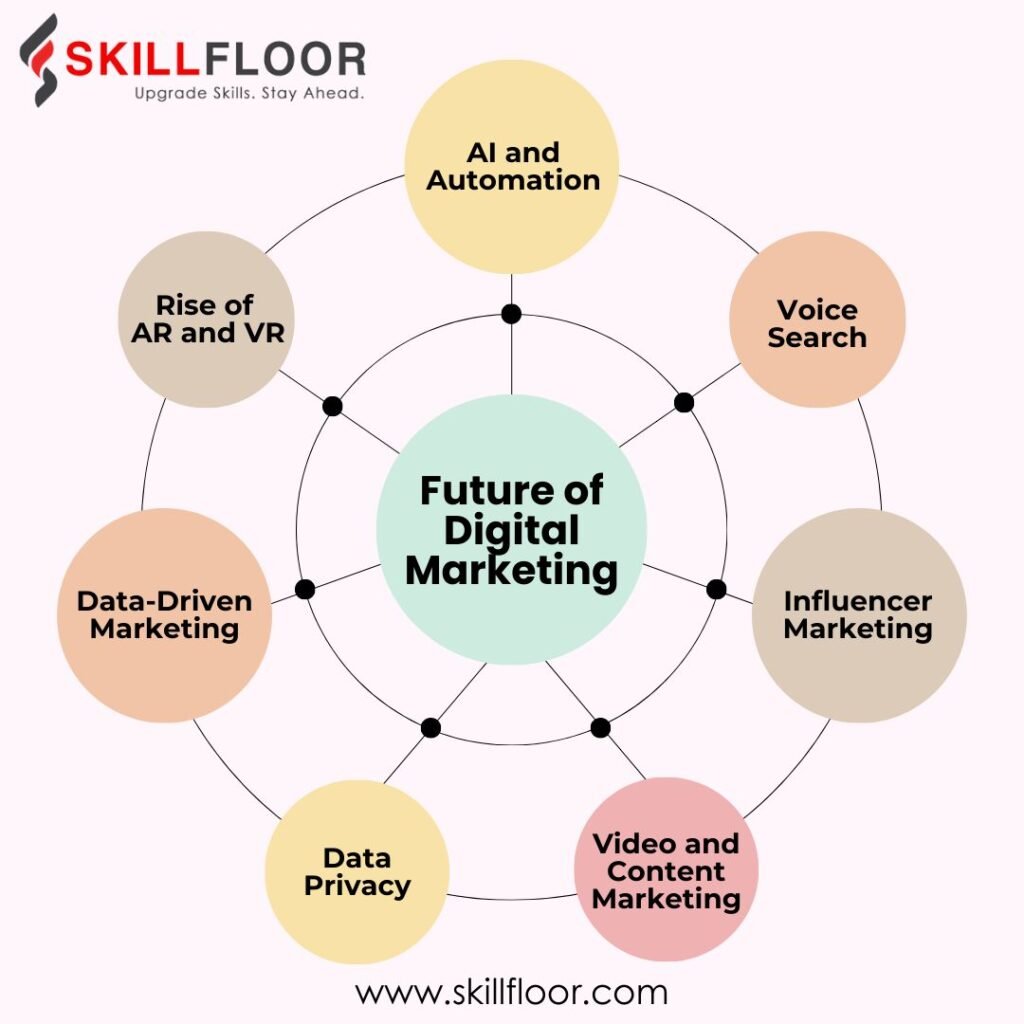
    FUTURE OF DIGITAL MARKETING

    DM

    1. AI-Driven Marketing & Automation

    Artificial intelligence is moving from a “nice-to-have” to a core strategy.

    • Predictive analytics for customer behavior

    • AI-generated content and design

    • Automated campaign optimization

    • AI chatbots and conversational marketing

    Tools powered by companies like OpenAI and Google are enabling hyper-personalized messaging at scale.

    What it means: Marketing teams will focus more on strategy and creativity while AI handles data analysis, testing, and execution.


    2. Hyper-Personalization at Scale

    Consumers expect brands to know their preferences.

    Future personalization will include:

    • Real-time website customization

    • Personalized video content

    • Dynamic pricing models

    • Behavior-triggered messaging

    Brands that use first-party data effectively will outperform competitors as third-party cookies decline.


    3. The Cookieless & Privacy-First Era

    With regulations like GDPR and increased platform restrictions:

    • Third-party cookies are disappearing

    • First-party data becomes critical

    • Consent-based marketing rises

    • Transparent data policies matter

    Companies that build trust will win long-term loyalty.


    4. Short-Form & Interactive Video Dominance

    Platforms such as TikTok, Instagram, and YouTube are prioritizing short-form video.

    Expect growth in:

    • Live shopping

    • Interactive content

    • AR filters and immersive experiences

    Attention spans are shrinking — engagement is king.


    5. Voice & Conversational Search

    With devices powered by Amazon (Alexa) and Apple (Siri):

    • Voice search optimization becomes essential

    • Natural language SEO replaces keyword stuffing

    • Conversational commerce grows

    Brands must optimize for how people speak, not just how they type.


    6. Creator & Community-Led Marketing

    Influencer marketing is evolving into:

    • Micro and nano creators

    • Community-first brands

    • User-generated content as primary social proof

    Consumers trust people more than ads.


    7. Omnichannel & Seamless Experiences

    Customers expect:

    • Unified brand experiences across platforms

    • Frictionless checkout

    • Consistent messaging across devices

    The future isn’t about being everywhere — it’s about being connected everywhere.


    8. Ethical & Purpose-Driven Marketing

    Younger consumers prioritize:

    • Sustainability

    • Authenticity

    • Social responsibility

    Brands must stand for something real — performative messaging won’t work.


    The Big Shift

    Marketing is moving from:

    • Broad targeting → Precision personalization

    • Manual campaigns → AI optimization

    • Interruption → Engagement

    • Data collection → Trust building


    Final Outlook

    The future of digital marketing is:

    • Smarter (AI-powered)

    • More human (authentic & community-driven)

    • Privacy-conscious

    • Experience-focused


    AI and digital marketing
  • SPORTS AND NUTRITION

    sports and nutrition

    BALANCED DIET AND NUTRITION

    NUTRITION

    CONTROL A HEALTHY WEIGHT

    Healthy Weight – Explanation

    A healthy weight is a body weight that is appropriate for a person’s height, age, sex, and body composition, and that helps reduce the risk of diseases. It supports good physical health, energy levels, and overall well-being.

    It is not about being very thin or very muscular — it is about maintaining a weight that allows your body to function properly.


    How Is Healthy Weight Measured?

    The most common method is the Body Mass Index (BMI).

    BMI is calculated using height and weight:

    BMI = Weight (kg) ÷ Height (m²)

    BMI Categories:

    • Below 18.5 → Underweight

    • 18.5 – 24.9 → Healthy (Normal weight)

    • 25 – 29.9 → Overweight

    • 30 and above → Obese

    However, BMI does not measure body fat directly, so athletes or muscular people may have a higher BMI but still be healthy.


    Why Is Healthy Weight Important?

    Maintaining a healthy weight helps:

    • Reduce risk of heart disease

    • Lower chances of type 2 diabetes

    • Maintain healthy blood pressure

    • Improve mobility and energy

    • Support mental well-being


    Signs of a Healthy Weight

    A person with a healthy weight often:

    • Feels energetic

    • Has normal medical test results

    • Can perform daily activities comfortably

    • Has balanced eating and exercise habits

    healthy

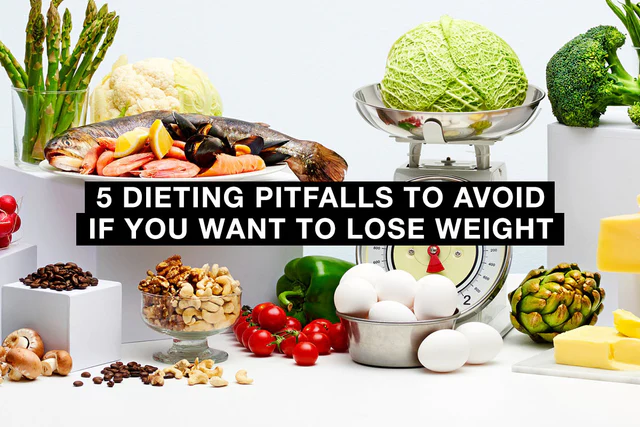
    THE PITFALLS OF DIETING


    Dieting can help with weight loss, but many people face problems when diets are too strict, unrealistic, or not balanced. Below are common pitfalls of dieting with examples.


    1. Crash Dieting

    Problem: Eating very few calories to lose weight quickly.

    Example:
    Someone eats only 800–1,000 calories per day to lose 5 kg in a month.

    Why it’s harmful:

    • Slows metabolism

    • Causes weakness and fatigue

    • Leads to muscle loss

    • Weight often comes back quickly (yo-yo effect)


    2. Skipping Meals

    Problem: Avoiding meals to reduce calorie intake.

    Example:
    Skipping breakfast every day to “save calories.”

    Why it’s harmful:

    • Causes overeating later

    • Low blood sugar

    • Poor concentration

    • Slower metabolism


    3. Cutting Out Entire Food Groups

    Problem: Completely avoiding carbohydrates or fats without medical reason.

    Example:
    Eliminating all rice, bread, and fruits because they contain carbs.

    Why it’s harmful:

    • Nutrient deficiencies

    • Low energy levels

    • Poor digestion

    Your body needs balanced nutrients.


    4. Following Fad Diets

    These are trendy diets that promise fast results but lack scientific support.

    Examples include:

    • Keto Diet (extreme carb restriction)

    • Juice Cleanse (only fruit/vegetable juices)

    • GM Diet

    Why they’re risky:

    • Hard to maintain long-term

    • May cause dehydration

    • Can lead to nutritional imbalance

    diets
  • Hello world!

    Welcome to WordPress. This is your first post. Edit or delete it, then start writing!